What Does Hyaluronic Acid Do? The Science Behind Skin Hydration
Understanding Skincare science is essential if you want to achieve healthy, radiant skin. Among the most researched ingredients, Hyaluronic Acid (HA) stands out as a vital molecule. In this article, we break down Skincare science to help you master its application and transform your daily routine.
The Benefits of Skincare Science for Hyaluronic Acid
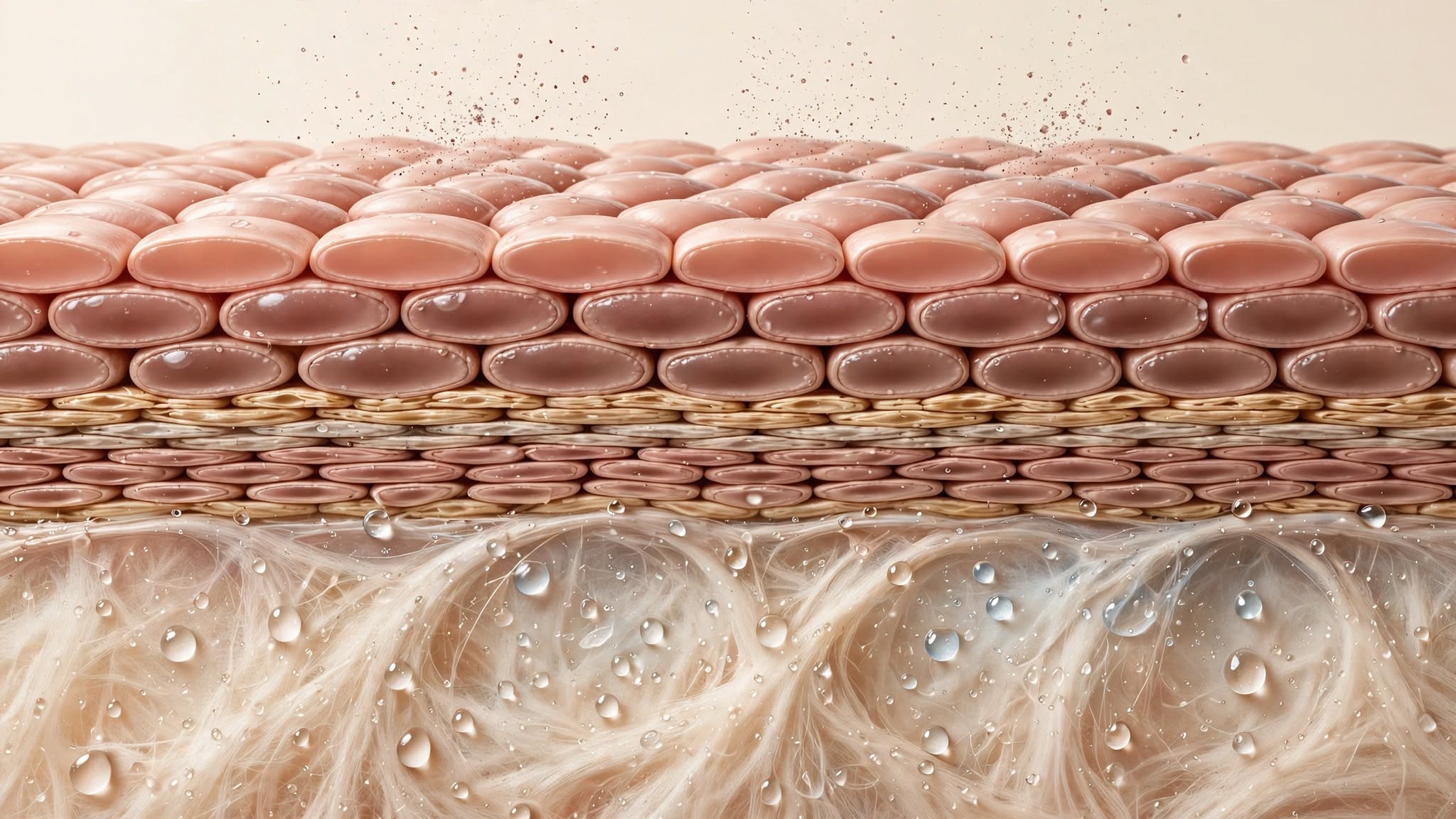
The benefits of Hyaluronic Acid go far beyond marketing. As a naturally occurring molecule, its primary role is structural integrity. When we incorporate it into our routine, we essentially ‘top up’ the skin’s reservoir. This application of Skincare science remains a non-negotiable step for healthy skin:
Intense Hydration: Hyaluronic Acid draws moisture into the epidermis.
The Plumping Effect: It binds water molecules to visibly ‘plump’ the tissue.
Barrier Support: A well-hydrated barrier is significantly more resilient.
Serum vs. Cream: Applying Skincare Science to Your Routine
Many ask: ‘Do I need a serum, a cream, or both?’ While both formulations contain HA, they serve different functions.
The Serum: Delivers high concentrations of HA deep into the surface.
The Cream: Creates a breathable barrier to prevent water loss. If you struggle with dehydration, a Serum is your best friend. However, applying a Cream afterward is the scientifically sound approach to maintain a healthy barrier.
How Skincare Science Explains Molecular Weight
Not all Hyaluronic Acid is created equal. The magic lies in molecular weight:
High Molecular Weight HA: Large molecules stay on the surface for instant plumping.
Low Molecular Weight HA: Smaller molecules penetrate deeper to deliver hydration.
Skincare Science: The "Drying Effect" Mistake
Have you ever applied an HA serum only to feel your skin tighten? This is a case of Transepidermal Water Loss. If you apply HA to dry skin, the ‘magnet’ pulls moisture from deep layers to the surface, where it evaporates.
The Protocol: Skincare Science in Action
To unlock the true power of your product, follow this 2-step protocol:
Damp Skin is Essential: Always apply your HA serum on damp skin after washing.
Seal It: Follow up immediately with a moisturizer. This ‘locks’ the moisture in, proving that great Skincare science is all about proper application technique.
Conclusion & CTA
Hyaluronic Acid is a staple for a reason, but it requires a bit of ‘biological strategy’ to work correctly. By understanding your skin’s needs and adjusting your application method, you can transform your routine from basic to professional.
How Niacinamide Works on the Skin: A Science-Based Guide

If you’ve been exploring skincare, you’ve likely heard about Niacinamide (Vitamin B3). Is it a miracle worker or just another trend? As a biologist, I look past the marketing to understand how this molecule actually communicates with our skin cells. In this guide, we’ll decode what Niacinamide is, why it works, and how to safely incorporate it into your routine.
What is Niacinamide?
At a cellular level, Niacinamide is a water-soluble form of Vitamin B3. Unlike some actives that only target one issue, Niacinamide acts as a cellular messenger. It works with the natural substances in your skin to help visibly improve uneven skin tone, tighten lax pores, and diminish dullness.
Top Niacinamide Benefits
Based on clinical research, here is how Vitamin B3 transforms your skin:
Sebum Regulation: It acts as a modulator for sebaceous glands, helping to keep oil production in check, which prevents clogged pores and breakouts.
Strengthening the Skin Barrier: Niacinamide stimulates the production of ceramides and essential fatty acids, creating a robust barrier that keeps moisture in and pollutants out.
Targeting Hyperpigmentation: By inhibiting the transfer of melanosomes to your skin cells, it effectively helps fade dark spots and promotes a uniform complexion.
Anti-Inflammatory Action: It is highly effective at soothing redness and calming reactive or stressed skin.
Serum vs. Cream: Which Formulation is Right for You?
Choosing the right texture is vital. While both can contain Niacinamide, they serve different roles in your skincare ecosystem:
The Serum (The Treatment): Lightweight and high-concentration. It’s designed to penetrate quickly to deliver active ingredients deep into the epidermis. If you want to target specific issues like pores or spots, a serum is your best choice.
The Cream (The Protection): Often contains emollients that lock in hydration. If you have a compromised barrier or dry skin, a cream ensures that the active ingredients stay working without irritation.
The Perfect Pair: Niacinamide and Hyaluronic Acid
A common question I receive is: “Can I layer these?” The answer is a resounding yes.
Think of Hyaluronic Acid as the “water magnet” that provides deep hydration, and Niacinamide as the “barrier builder” that holds it all together.
Safety and Side Effects
Niacinamide is generally well-tolerated. However, “more” is not always “better.”
Concentrations: The sweet spot is 5%. While 10% or 20% exists, they can sometimes cause “flushing” (temporary redness) in sensitive skin.
Potential Side Effects: If you experience itching or redness, start with a lower percentage or use it every other day to allow your skin to acclimatize.
How to Incorporate It Into Your Routine
Cleanse your skin.
Apply your Hyaluronic Acid (while the skin is slightly damp).
Apply your Niacinamide serum.
Seal it all with your moisturizer to maximize the benefits.
Final Thoughts
Niacinamide is a staple for a reason, it’s a multi-tasker that respects the biology of your skin. Have you tried Niacinamide yet? Did you see a difference in your skin’s texture? Let me know in the comments below!
Skin Sebum: Understanding Your Natural Balance
Many people treat Skin sebum as the enemy, but it is actually a vital part of your skin’s protective barrier. As a biologist, I look beyond the myths to decode the biology behind this complex substance. In this guide, we will explore Skincare science to help you understand what sebum is, why it is essential, and how to manage it effectively.
What is Skin Sebum? The Skincare Science Breakdown
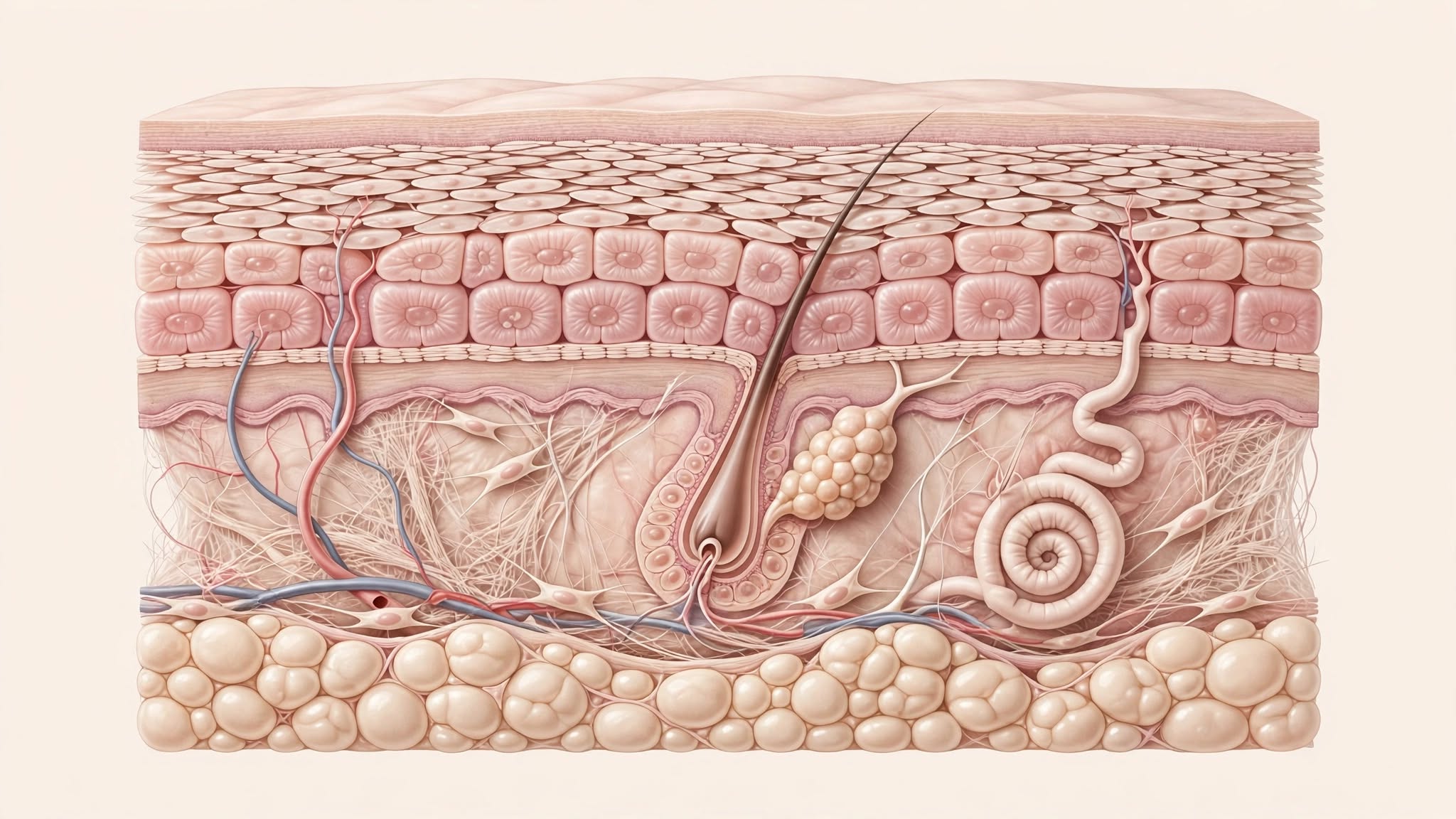
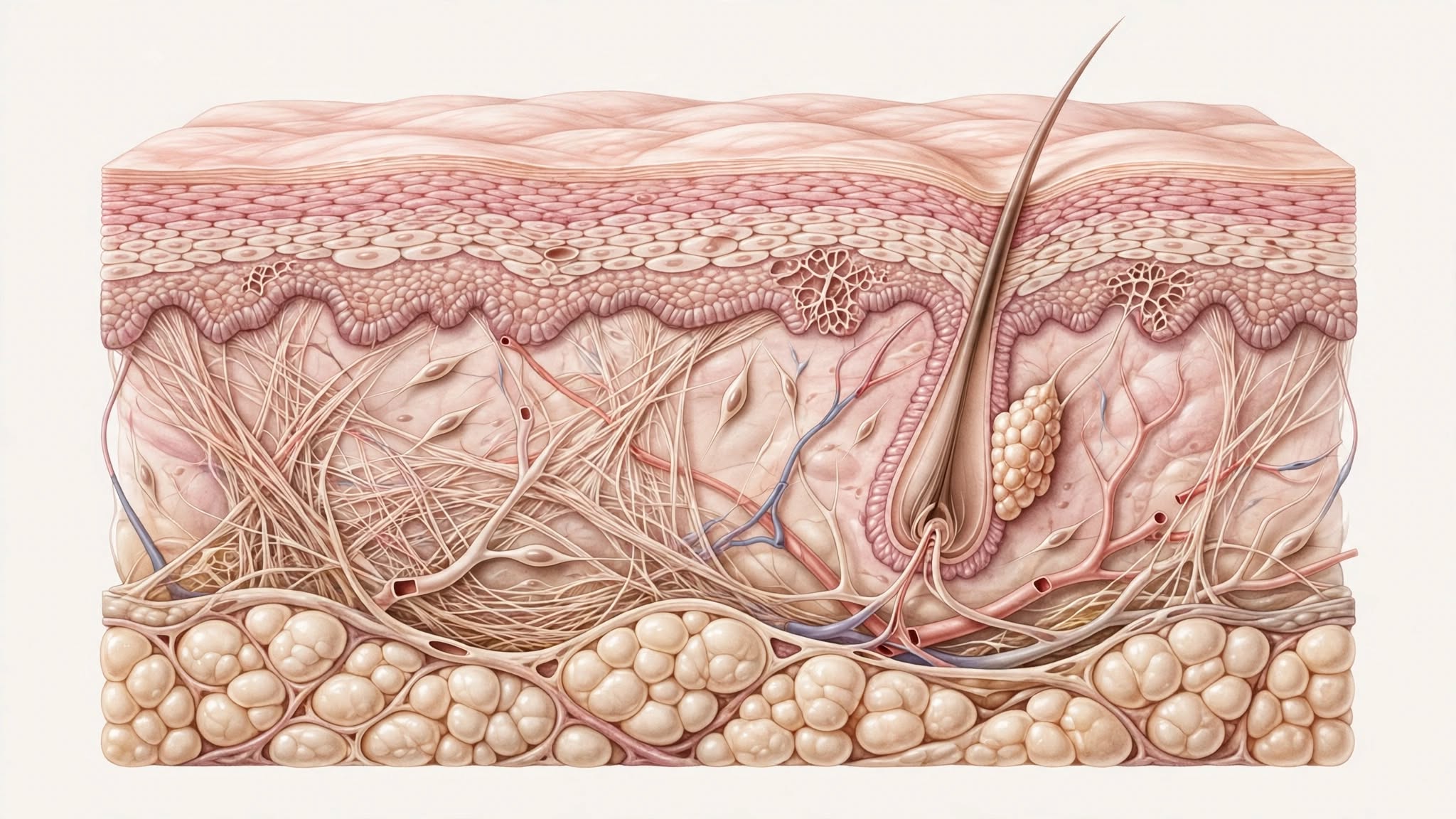
It is not just “oil.” Skin sebum is a complex cocktail of triglycerides, wax esters, and squalene produced by your sebaceous glands. Its primary job is to maintain the barrier, ensuring three vital functions: hydration, protection, and suppleness. By forming a thin film on the surface, it prevents trans-epidermal water loss, a fundamental concept in Skincare science.
Why Your Body Produces Excess Skin Sebum
While production is natural, your sebaceous glands can sometimes go into overdrive. During adolescence, hormonal surges are the most common trigger for increased secretion. However, other factors play a significant role:
Hormonal Influence: Androgens act as the primary drivers for sebaceous gland activity.
Stress: High stress levels can stimulate glands to produce more oil.
Diet: An unsuitable diet can disrupt your body’s internal regulation.
The Consequences of Overproduction
When your body produces too much sebum, it can lead to various skin and hair concerns. Excess oil often causes:
Oily Skin: A persistent shiny appearance that can feel uncomfortable.
Clogged Pores: When excess oil mixes with dead skin cells, it forms a plug, leading to breakouts.
Managing Skin Sebum: The Role of Skincare Science
You don’t need to “strip” your skin. Instead, you need to use the right science-backed ingredients. Ingredients like Niacinamide are excellent at regulating these glands without causing damage. If you want to dive deeper into how actives work, check out my Niacinamide guide.
Balancing Sebum Through Skincare Science
To find your natural balance, follow these steps:
Gentle Cleansing: Avoid harsh surfactants that cause your glands to overcompensate.
Hydration is Key: Even if you have excess Skin sebum, your skin still needs hydration from ingredients like Hyaluronic Acid to remain healthy.
Monitor Your Habits: Being mindful of stress and diet can have a long-term impact on your skin’s clarity.
Conclusion
Understanding the biology of your Skin sebum allows you to make better choices for your routine. By treating your skin with the right science-backed ingredients, you can transform your routine from basic to professional.